Updated September 17, 2026. Nothing on this page is an owner review yet. Every product below is a labeled product page described from the maker's specs, not my hands.
A winter car emergency kit in Texas is a strange thing to build. Most of the year the truck is fighting heat, then a day or two of freezing rain can glaze bridges and overpasses around Collin County. I drive a truck, I coach at Black Iron Athletics in Frisco, and I have young boys. My time at Marine Corps Base Hawaii in Kaneohe Bay was a lot of fishing and no ice at all. So this guide leans on the people who clear and study these roads: TxDOT and NHTSA, with a couple of kit basics from Ready.gov.
Quick Verdict: Stay Home, Then Pack These Six
The best ice storm plan is not driving. TxDOT's winter guidance puts it plainly: slow down, because speed limits are set for normal conditions, not winter ones. If the trip can wait a day, wait a day.
If you have to go, or you want the car ready in case an errand turns into a long wait, pack these six first:
- An ice scraper with a brush so you can see out of every window, not a peephole.
- Blankets and hand warmers for every person in the car.
- A jump starter, because cold is hard on batteries.
- A bag of kitty litter or sand for traction if a tire spins.
- A charged phone and a power bank so you can call for help.
- A first aid kit, water and snacks for the wait.
Winter Car Emergency Kit Checklist for Ice Storms
Screenshot this table and pack the car the night the forecast turns.
| Item | Job on an icy day | Where it rides | Pack or check |
|---|---|---|---|
| Ice scraper and snow brush | Clear glass, lights and camera | Under or behind the seat | Pack in November |
| Kitty litter or sand | Grip for a spinning tire | Trunk or bed box, in a sealed bag | Pack in November |
| Emergency blankets | Hold body heat while you wait | Glovebox or seat pocket | Count one per person |
| Hand warmers | Warm hands and kid pockets | Glovebox | Check the expiration date |
| Hats, gloves, dry socks | Wet kids get cold fast | Organizer bin | Swap sizes as kids grow |
| Jump starter | Battery that quits in the cold | Cab, under or behind seat | Charge before the storm |
| 12V tire inflator | Pressure drops when temps fall | Cab or organizer bin | Check tires the morning of |
| Power bank and cables | Keep one phone alive | Console | Top off before you leave |
| Flashlight or headlamp | Dark shoulder, dead dome light | Glovebox | Fresh batteries or a charge |
| First aid kit | Slips on ice, cuts, scrapes | Console or door pocket | Restock twice a year |
| Water and snacks | Long wait on a closed highway | Cab | Rotate by date |
| Recovery strap | Pull out of a ditch on flat ground | Behind the seat | Inspect for cuts |
| Car escape tool | Jammed belt, window exit | Key ring | Replace after use |
Driving Decisions That Matter More Than Gear
Gear buys comfort while you wait. These decisions keep you from waiting at all, and the ones from TxDOT and NHTSA are credited.
Check DriveTexas before you grab the keys. TxDOT posts closures and icy conditions on DriveTexas.org, or you can call 800-452-9292. If the map shows ice on your route, that is your answer.
Fill the tank and check the tires the day before. NHTSA's winter driving tips say to keep your gas tank close to full and to fill each tire to the pressure on the placard on the driver side door frame. Cold air drops tire pressure, so a tire that looked fine last week can be low on storm morning.
Clear the whole vehicle, not a porthole. NHTSA also calls for clearing snow and ice off windows, headlights, taillights, forward sensors and the backup camera before you move.
Slow way down and leave room. TxDOT's snow and ice page says to keep at least three times your normal following distance on snow or ice, and to stay at least 200 feet behind snow plows.
Treat bridges, ramps and shade like they are already iced. TxDOT flags bridges, ramps, overpasses and shaded areas because they tend to freeze first. Around DFW, most drives cross at least one. Do your slowing before you reach the bridge so you are not braking hard on it.
Know what to do in a slide. TxDOT's instruction: ease off the gas pedal or brakes, steer in the direction of the skid until you regain traction, then straighten out. Say it out loud once before you leave.
Four wheel drive helps you go, not stop. It can help a truck get moving, but it does not add grip for braking or steering on ice. Give yourself the same speed and room you would in any other car.
Kit Gear, Item by Item
Every piece below is a labeled product page. Each page carries the specs and the buy button.
See Out the Glass: Ice Scraper and Brush
The AstroAI 27 in Snow Brush and Ice Scraper earns a spot because it splits into two pieces and rides under a truck seat in its bag. The foam grip matters when your hands are cold, and AstroAI lists scraper teeth for breaking up thick ice. One honest limit from its page: 27 inches may not reach the middle of a full size truck roof, so work from both sides. Its page also covers safe use: run the defroster first, keep the scraper on glass, and never pour hot water on a frozen windshield, since the sudden temperature change can crack it.
Stay Warm While You Wait: Blankets and Hand Warmers
The Mart Cobra Emergency Mylar Blankets come as four individually packed blankets that unfold to 82 x 52 in, so one family pack covers a car of four and they fold small enough for a glovebox. They are crinkly, and they work best layered under a regular blanket or coat. Treat the film like a plastic bag around little kids: never leave a toddler alone with one, and keep it off a child's face.
The HotHands Hand Warmers Value Pack gives you 10 pairs of air activated warmers with no fuel, flame or batteries, rated for up to 10 hours each. Put them in pockets and gloves, not directly against skin, which takes attention with small kids. They warm hands, not the cab.
Start the Truck: Jump Starter
The NOCO Boost GB50 is rated for gas engines up to 7.0 liters and doubles as a USB power bank and a 200 lumen light. On ice, that means no stranger pulling alongside on a slick shoulder. Note its diesel rating tops out at 4.5 liters, so heavy duty diesel owners need a bigger Boost model. Charge it the night before the storm.
Fix Low Tires: 12V Inflator
The AstroAI AIRUN H plugs into the 12V outlet and shuts off at the pressure you set, so there is no battery to forget in the cold. It has a long cord, an extension hose for the rear tires and a built in LED light. Its listing calls for a cool down after 15 minutes of continuous use, so pace yourself on four big truck tires.
Light and Power
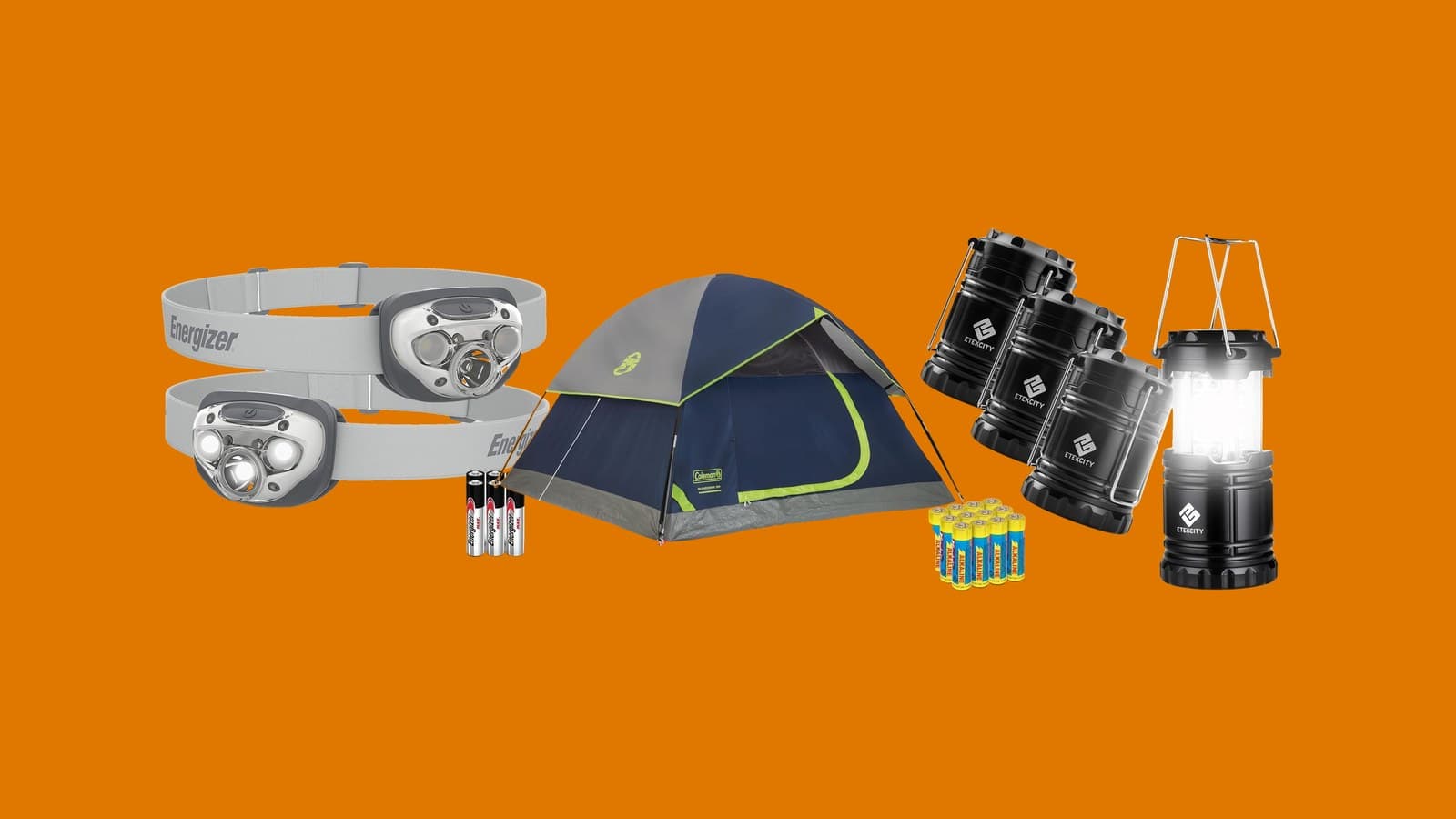
The Energizer LED Headlamp PRO 2 Pack runs on AAA batteries and gives you two, one for a kid who wants to help. For rechargeable lights, the Olight Baton 4 and NITECORE EDC23 product pages cover two popular picks, and a NITECORE NB10000 Gen4 power bank keeps a phone alive for the call. Our flashlight guide sorts the lights by job.
First Aid, Getting Out and Getting Unstuck
The First Aid Only FAO-442 is a two layer soft kit of nearly 300 pieces that fits a console. It covers cuts, scrapes and a cold pack for parking lot slips, with no trauma supplies.
The resqme Original Car Escape Tool rides on the key ring with a window spike and a seat belt cutter, two in a pack for the truck and the family car. It works on tempered side glass only, and some newer vehicles use laminated front side windows, so check yours.
The Rhino USA Recovery Tow Strap is a 3 in x 20 ft static strap with a 30,000 lb minimum break strength per Rhino USA. It is for flat ground pulls with rated recovery points on both vehicles. On ice, a pull can slide both vehicles, so if the ditch is steep or traffic is moving, call for a wrecker instead.
For traction, there is no product page yet. Ready.gov's car kit list includes cat litter or sand for better tire traction, so a plain bag from the store does the job. Pour it in front of the drive tires and ease on the gas instead of spinning them.
Keep it together in the HOTOR Foldable Trunk Organizer with a few Jack Link's Original Beef Jerky packs for hungry kids.
If You Get Stuck or Stranded
This part comes from NHTSA's winter guidance, with two details from the National Weather Service.
- Stay with your vehicle and do not overexert yourself. A car is shelter and easier to find than a person walking.
- Make the car easy to see. Put a bright marker on the antenna or in a window. The National Weather Service adds: turn on the dome light at night while the engine is running.
- Clear the exhaust pipe of snow or ice before you run the engine.
- Run the engine only in short stretches, just long enough to stay warm. Do not run it for long periods with the windows up or in an enclosed space, because of carbon monoxide. The National Weather Service suggests about 10 minutes each hour with a window open a little for fresh air.
- Call for help on 911 for an emergency, or TxDOT's roadside assistance line at 800-525-5555.
While you wait, the blankets and hand warmers do the work so the engine does not have to.
Common Questions
What should I keep in my car during an ice storm? Start with the six items in the quick verdict. The checklist table covers the rest and where each one rides.
Is it safe to drive on icy Texas roads with four wheel drive? Four wheel drive helps you get moving, but it does not help you stop or steer on ice. TxDOT's advice applies to every vehicle: slow down, triple your following distance and treat bridges and overpasses as already frozen. Staying home is the safest call.
Does kitty litter really help with traction? Ready.gov lists cat litter or sand in its car kit for better tire traction. Pour it in front of the drive tires and go easy on the gas.
Can I run my car for heat if I am stranded? NHTSA says to clear the exhaust pipe first and run the engine only long enough to stay warm, never for long periods with the windows up or in an enclosed space. The National Weather Service suggests about 10 minutes an hour with a window cracked. Blankets and hand warmers let you keep engine time low.
Where can I check Texas road conditions during a storm? DriveTexas.org, run by TxDOT, shows closures and icy conditions statewide. You can also call 800-452-9292.
Related Guides
- Truck Emergency Kit Checklist for Dads covers the year round kit this winter layer sits on top of.
- Camping With Kids Checklist has more ideas for keeping little ones warm and fed away from home.
- Olight vs NITECORE vs Fenix sorts flashlights by the job you need done.
Carry what matters. On an ice day, that is a full tank, a scraper, a blanket for every kid and the patience to stay home.
Every Dad Carry is reader-supported. Links on this page may earn us a commission at no extra cost to you. As an Amazon Associate we earn from qualifying purchases.