Updated September 17, 2026. Owner reviews are gear I own and have written up in full. Product pages are labeled as such and describe the gear from the maker's specs, not my hands.
This truck emergency kit checklist is built for a dad with kids in the back seat, not a long haul driver or a doomsday prepper. I drive a truck, I coach all day at Black Iron Athletics in Frisco, and my boys ride with me when we go fishing. The goal is simple: when something goes sideways on the road, you fix the small stuff yourself, keep the kids fed and warm while you wait on the big stuff, and get home.
Quick Verdict: The Short List
If you only build part of a kit this weekend, build these five first. They cover the everyday roadside problems and the wait that comes after.
- A jump starter so a dead battery does not need a stranger.
- A 12V tire inflator so a slow leak does not become a roadside tire change.
- A real first aid kit for the cuts, scrapes and burns kids collect.
- Water, shelf stable snacks and a light for the wait.
- A layer for every person in the cab, plus a blanket.
Everything else on this page adds to that core. Two pieces of my own gear have spent time in my truck, my Walkstool Comfort and my YETI Tundra 45, and both have full owner reviews. The rest are labeled product pages, most of them from the Truck Kit shelf. The second half of this guide covers how to pack it all and when to check it.
The Full Truck Emergency Kit Checklist
Screenshot this table. Every item solves a specific job, and if it does not, leave it home.
| Item | Job | Where it rides | Check it |
|---|---|---|---|
| Jump starter | Dead battery, no second vehicle | Cab, under or behind seat | Check the charge at each seasonal swap |
| 12V tire inflator | Low tire, slow leak | Cab or organizer bin | Test once a season |
| First aid kit | Cuts, scrapes, burns, splinters | Console or door pocket | Restock and check dates twice a year |
| Car escape tool | Jammed belt, window exit | Key ring | Replace after use or every 5 to 10 years |
| Recovery strap | Stuck in mud or sand, flat ground pull | Behind seat in its bag | Inspect for cuts and fraying |
| Flashlight or headlamp | Night tire work, dark shoulder | Glovebox | Fresh batteries or a charge |
| Power bank and cables | Keep one phone alive for the call | Console | Top off monthly |
| Water | Heat, waiting, cleaning a wound | Cab, out of direct sun | Rotate by the date on the bottle |
| Shelf stable snacks | Hungry kids, long wait | Organizer bin | Rotate before expiration |
| Blanket and spare layers | Cold snap, wet clothes | Behind seat | Swap by season |
| Ice scraper and sand or cat litter | Frost, traction on ice | Bed box or behind seat | Pack in fall |
| Flares or reflective triangles | Visibility on the shoulder | Bed box or behind seat | Confirm they unfold |
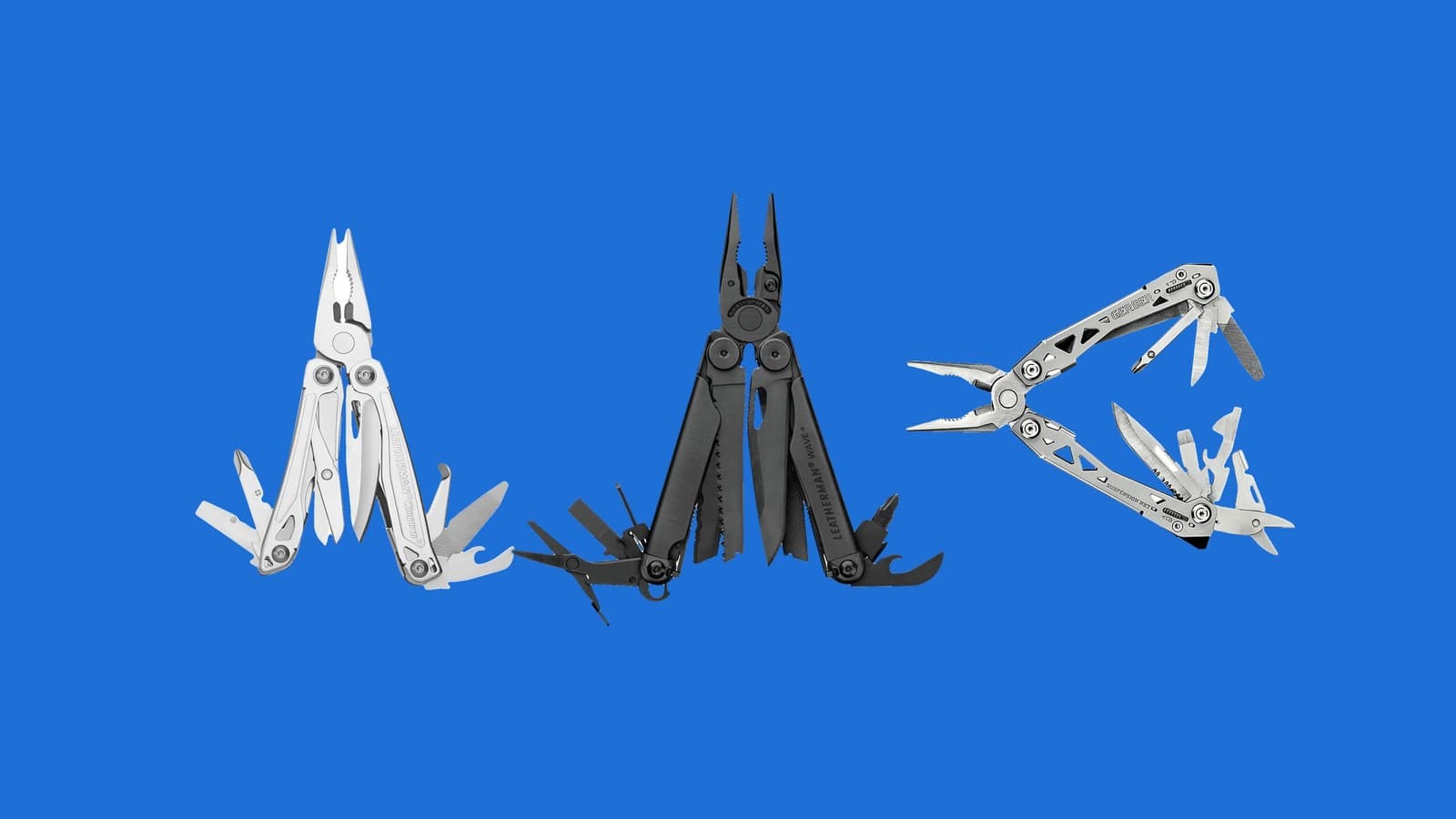
| Gloves and a basic multi-tool | Hot parts, loose clamps, small fixes | Organizer bin | Wipe and oil once a year |
Breakdown Gear: Batteries, Tires and Getting Unstuck
This is the part of the truck emergency kit that turns a two hour wait into a ten minute fix.
Jump starter. The NOCO Boost GB50 is a product page on the Truck Kit shelf, and it earns a spot on specs: NOCO rates it for gas engines up to 7.0 liters, which covers most half-ton V8 trucks, and it doubles as a USB power bank and a 200 lumen light. Note the limit before you buy. Its diesel rating tops out at 4.5 liters, so a heavy duty diesel owner needs a bigger model. A jump starter beats cables for a dad because it does not need a second car, and at night with kids in the cab you do not always want to flag one down.
Tire inflator. The AstroAI AIRUN H plugs into the 12V outlet, so there is no battery to forget, and it shuts off when it hits the pressure you set. The listing calls for a cool down after 15 minutes of continuous run time, which matters on big truck tires. Top off one tire, give it a break, then the next.
Recovery strap. If you drive dirt roads, boat ramps or muddy fields, the Rhino USA Recovery Tow Strap is a static strap with loop ends, a 10,000 lb working load limit and a 30,000 lb minimum break strength per Rhino USA. Plan around the working load, not the break number. Two honest notes: it is built for a steady pull on flat ground, not a running yank, and the loops need shackles or a rated recovery point on both trucks. Rhino USA also says not to hook a strap to a trailer ball or a bumper.
Keep the bed from becoming the problem. The Keeper Ratcheting Cargo Bar locks between the bed walls from 40 to 70 inches with no tools. Measure your bed first, and know that Keeper does not publish a load rating for it.
First Aid and Safety for a Truck Full of Kids
Kids do not wait for a breakdown to get hurt. Most of the first aid kit gets used at a ball field or a trailhead.
First aid kit. The First Aid Only FAO-442 is a soft two layer kit of nearly 300 pieces that fits a console or under seat bin. It covers the everyday stuff: bandages, antibiotic ointment, burn cream, gauze and a cold pack. It is not a trauma kit, and heat is hard on ointments, so check it twice a year. Add your kids' own medicines, a pair of tweezers and anything your family specifically needs.
Car escape tool. The resqme Original rides on the key ring, where you can reach it from the driver seat, with a spring loaded spike and a hidden belt cutter. It comes as a 2 pack, so one goes on the truck keys and one on the family car. It only works on tempered side glass, not windshields or laminated windows, and some newer vehicles use laminated front side windows, so check yours.
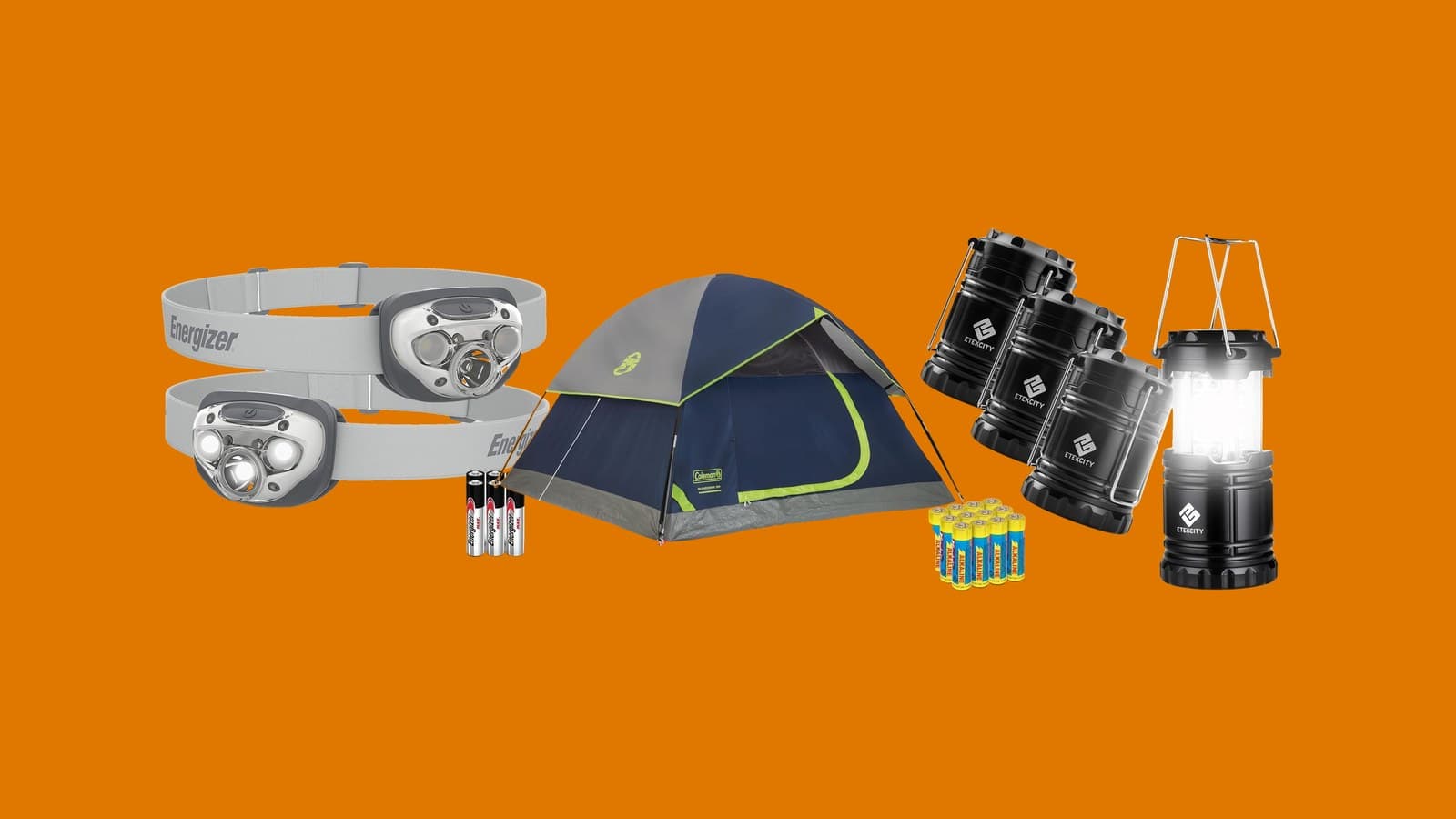
A light for the shoulder. Tire work in the dark with one hand holding a phone is miserable. The Energizer LED Headlamp PRO 2 Pack runs on AAA batteries, and the band adjusts down to 5.5 inches. Check the fit on your kid, and your helper gets a job instead of a meltdown. Pack spare AAAs. If you want a rechargeable light instead, my EDC flashlight guide sorts Olight, NITECORE and Fenix by job.
Bad Weather: Heat, Cold and Wet
In North Texas, a hot summer and an icy winter can land in the same year. Pack for the season you are in, and swap the bin twice a year.
Hot weather. Water is the first line. Keep more than you think you need, stored out of direct sun. The Duke Cannon Cold Shower Cooling Field Towels are menthol cooling wipes, individually wrapped in a resealable pouch, so they can ride in the truck for the grown ups on a hot roadside wait. A truck cab bakes everything inside it, so anything with a melting point or a medicine label needs rotating. And one rule never bends: kids never wait in a parked truck, even for a minute.
Cold weather. Pack a blanket, a hat and gloves for every person who rides with you, including the smallest one, plus hand warmers. Keep the tank fuller in winter. If you are stranded in snow or ice, the National Weather Service says to stay with the vehicle, clear snow from the exhaust pipe, run the engine about 10 minutes each hour for heat, open a window a little while it runs, and turn on the dome light at night. An ice scraper and a bag of sand or cat litter for traction belong in the bin from fall through spring.
Food, Water and Comfort for the Wait
A lot of a roadside stop is waiting. Hungry, thirsty people get cranky fast, and small kids get there first.
Snacks that survive a hot truck. The Jack Link's Original Beef Jerky 20 Pack is shelf stable, portioned in single bags and carries 7 grams of protein each. Add a box of crackers or granola bars and rotate them before they turn.
A seat off the ground. This is where owner gear comes in. My Walkstool Comfort has put in fifteen plus years of camping trips and truck duty, and the Comfort models are rated between 440 and 550 pounds depending on size. It packs down to a forearm length bundle, and a wait on a real seat beats squatting in the gravel.
Cold drinks and food on longer trips. My YETI Tundra 45 review covers a cooler left in the truck at a trailhead for four days that still had ice in it at the end. It is not an emergency item for a daily commute, but on a long day out it keeps water cold when the day runs longer than planned.
Power. One phone at full battery is worth more than every gadget on this list. Keep a charged power bank and the right cables in the console. If you already carry one daily, my best EDC for dads guide shows how the everyday kit and the truck kit overlap.
How to Pack a Truck Emergency Kit So You Can Find It
A kit you cannot find in the dark does not count.
- One bin, labeled pockets. The HOTOR Foldable Trunk Organizer has 2 compartments and 6 mesh pockets. It is written for SUVs, so measure your back seat floor or cab space before you buy, and it has no lid, so it is not for an open bed.
- Heavy items low and secured. Loose gear in a cab becomes a projectile in a hard stop. Strap or wedge the jump starter and water.
- Keep the everyday stuff in reach. First aid, escape tool, light and power bank ride in the cab. Recovery gear and seasonal layers can go behind the seat or in a locked bed box.
- Put two dates on your calendar. Spring and fall, charge, restock and swap the weather layers. Tie it to changing the clocks and you will not forget.
Common Questions
What should a dad keep in his truck at all times? A charged jump starter, a tire inflator, a first aid kit, water and snacks, a light, a phone charger, flares or a reflective triangle and a warm layer per passenger. That core covers the everyday roadside problems and the wait that follows.
Is a jump starter better than jumper cables? For most families, yes. A jump starter works without a second vehicle, which matters at night or on an empty road. Cables never need charging, and Ready.gov lists them in its car kit, so carrying both is a solid call.
Can a first aid kit stay in a hot truck? Yes, with upkeep. Heat breaks down adhesives, ointments and medicines faster, so store the kit in the shadiest spot you have and check it at least twice a year. Keep kids' medicines in a separate pouch you can bring inside during summer.
Where should an emergency kit go in a pickup? Split it. Items you need fast go in the cab, secured so they cannot fly around. Bulkier recovery gear goes behind the seat or in a lockable, weatherproof bed box, since an open bed exposes gear to rain and theft.
Keep Reading
- Best EDC for Dads: What I Actually Carry covers the pocket and bag side of being ready.
- Olight vs NITECORE vs Fenix sorts flashlights by job, including the glovebox light.
- Gifts for the Veteran Dad, From One has more practical gear that makes a good truck kit gift.
Carry what matters. In the truck, that means the stuff that gets everybody home.
Every Dad Carry is reader-supported. Links on this page may earn us a commission at no extra cost to you. As an Amazon Associate we earn from qualifying purchases.