I sleep under a weighted blanket every night. That is not a sales pitch, it is the reason I went and read the research instead of repeating what the boxes say, and what I found is more interesting than the marketing.
Weighted blankets have something most recovery gear does not: a randomized controlled trial with a striking result. They also have an obvious, universal problem, which is that they make you hot. This guide covers both, because solving the second is what determines whether you keep using the first.
What the Trial Actually Found
A randomized controlled study published in the Journal of Clinical Sleep Medicine put 120 adults through four weeks of sleeping at home under either a chain-weighted blanket or a control blanket. All of them had previously diagnosed clinical insomnia alongside a psychiatric disorder: major depressive disorder, bipolar disorder, ADHD, or generalized anxiety disorder.
The results, measured on the Insomnia Severity Index:
| Group | ISI before | ISI after |
|---|---|---|
| Weighted blanket | 21.7 | 9.2 |
| Control blanket | 21.2 | 18.8 |
The difference was statistically significant at p < 0.001. Participants using the weighted blanket were almost 26 times more likely to see their insomnia severity drop by half or more, and nearly 20 times more likely to reach remission. Those gains held through a 12-month open follow-up. The weighted blanket group also reported reduced fatigue, depression and anxiety symptoms, and higher daytime activity.
That is a large effect for a blanket.
The Caveat That Matters
The people in that trial had clinical insomnia and a psychiatric diagnosis. They were, by design, the population most likely to benefit.
If you sleep reasonably well and just like the feeling of weight, the honest expectation is "this is pleasant and may help me settle," not "this will transform my sleep." Broader reviews across different populations have found more mixed results than that headline number suggests.
That is still a better evidence base than almost anything else in this category, and the downside risk of trying one is low.
Why It Works, As Far As Anyone Can Tell
The proposed mechanism is deep touch pressure: broad, even, gentle pressure across the body appears to shift the nervous system toward a calmer state. It is the same reasoning behind swaddling an infant and behind the pressure vests used with some anxious dogs.
Nobody should oversell the mechanism. What can be said is that a real trial measured a real outcome, and people overwhelmingly report that it feels calming rather than confining.
Choosing the Weight
The rule across manufacturers is about 10 percent of your body weight, with small variations: YnM says 10 percent plus a pound, Bearaby says 10 percent and round up if you are between sizes, others give a range of 8 to 12 percent.
| Your weight | Blanket weight |
|---|---|
| 120 lb | 12-13 lb |
| 145 lb | 15 lb |
| 180 lb | 18-20 lb |
| 220 lb | 22-25 lb |
Two things worth knowing before your first night. It feels strange for about two nights before it feels good, so do not judge it on night one. And heavier is not better: a blanket you fight to move off yourself is not doing anything extra for you.
Now the Heat Problem
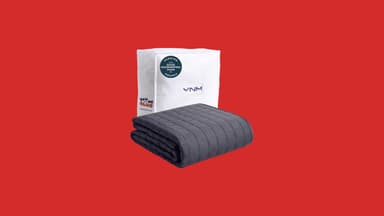
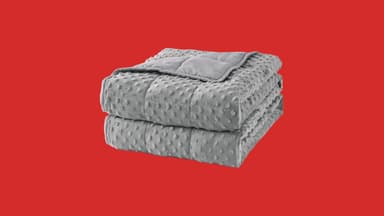
Here is the thing nobody tells you when you buy your first one: a weighted blanket is a quilt with weight inside it, and it traps heat by design. Most people who abandon weighted blankets abandon them in summer.
This matters more than comfort, because of how sleep and temperature work. A circadian decline in core body temperature normally precedes sleep onset, and warming the extremities helps the body dump heat and speeds entry into deep, non-REM sleep. Anything preventing that heat loss is working against the biology of falling asleep.
So a weighted blanket can calm your nervous system and cook you at the same time. There are two fixes.
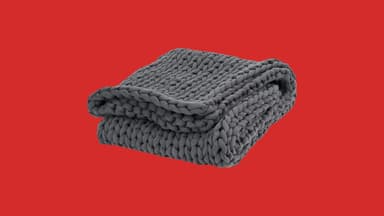
Fix one: change the blanket
Fix two: cool the bed underneath
The research on sleeping surface temperature is genuinely encouraging. A three-center study of 72 people found a high-heat-capacity mattress increased stage N3 deep sleep and lowered heart rate during the night. A separate study of an actively temperature-controlled mattress cover found that a week of nightly use changed sleep-stage distribution and improved cardiovascular recovery metrics, with cooler temperatures in the first half of the night associated with more deep sleep in men and more REM in women, alongside a lower sleeping heart rate and higher heart-rate variability.
In plain terms: a cooler bed appears to buy deeper sleep and a calmer heart.
Understand the difference between what you can buy, though.
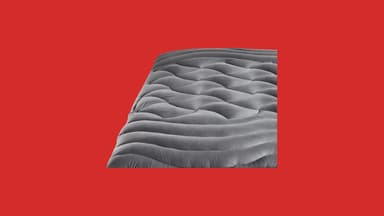
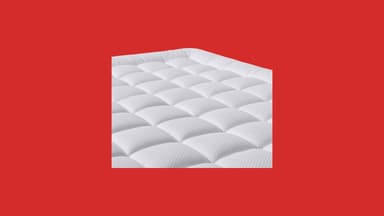
Passive cooling manages moisture and airflow with wicking fabrics and breathable fill. Cheap, helpful, and it has a ceiling.
Active cooling circulates chilled water or air and holds a set temperature all night. This is what the mattress-cover research studied, and it runs from several hundred to a few thousand dollars.
If you wake up soaked at 3am, neither of those will fix it and you should be looking at an active chilled-water system instead. That is a different budget and a different guide.
The Stack That Actually Works
In order, cheapest first:
- Drop the room temperature. Free. Most sleep guidance lands somewhere in the mid-60s Fahrenheit, and it is the single biggest lever you are not pulling.
- Breathable sheets. Cotton or linen over microfiber.
- The right weighted blanket at 10 percent of body weight, in a format matched to how hot you sleep.
- A cooling pad or topper if the bed itself runs warm.
- An active cooling system only if the first four fail.
Adding a weighted blanket to a hot bed and then buying a cooling pad to fix the blanket is a common and expensive order of operations. Start with the room.
Safety and Honesty About Anxiety
Weighted blankets are not a treatment for an anxiety disorder. The trial above studied sleep outcomes in people already under psychiatric care, not instead of it. If anxiety is running your life, the fix is professional care, and a blanket is a comfort measure on top of it.
Practical safety:
- Not for young children without pediatric guidance, and never for infants.
- Not for anyone who cannot easily remove it themselves, including after sedating medication or alcohol.
- Ask a doctor first with sleep apnea, respiratory conditions, or circulatory problems. Weight on the chest is not neutral.
- Some people find weight claustrophobic rather than calming. That is a normal response, not a failure.
If you are a veteran and sleep is the thing falling apart, our VA recovery coverage guide covers what Whole Health actually pays for. The Veterans Crisis Line is 988, then press 1.
Common Questions
Do weighted blankets actually help with anxiety and sleep?
In a randomized trial of 120 adults with clinical insomnia and a psychiatric diagnosis, four weeks under a weighted blanket cut Insomnia Severity Index scores from 21.7 to 9.2, versus 21.2 to 18.8 in the control group, and participants also reported reduced anxiety and depression symptoms. Evidence in general populations is more mixed.
How heavy should a weighted blanket be?
About 10 percent of your body weight. At 145 pounds that is 15 pounds. Round up rather than down if you fall between sizes.
Do weighted blankets make you hot?
Most of them do, because a bead-filled blanket is a quilt with weight in it. An open hand-knit blanket is the format that addresses this structurally.
Can you use a weighted blanket with a cooling mattress pad?
Yes, and it is a sensible pairing: pressure from above, heat management from below. Lower the room temperature first, though, because that is free.
Is a cooling mattress pad worth it?
Research on cooler sleeping surfaces links them to more deep sleep and a lower sleeping heart rate. Passive pads help mildly warm sleepers; heavy night sweating needs an active system.
I am a strength coach and a Marine Corps veteran, not a physician. Nothing here is medical advice. Talk to your doctor before using a weighted blanket with any respiratory, circulatory or sleep-disordered-breathing condition.