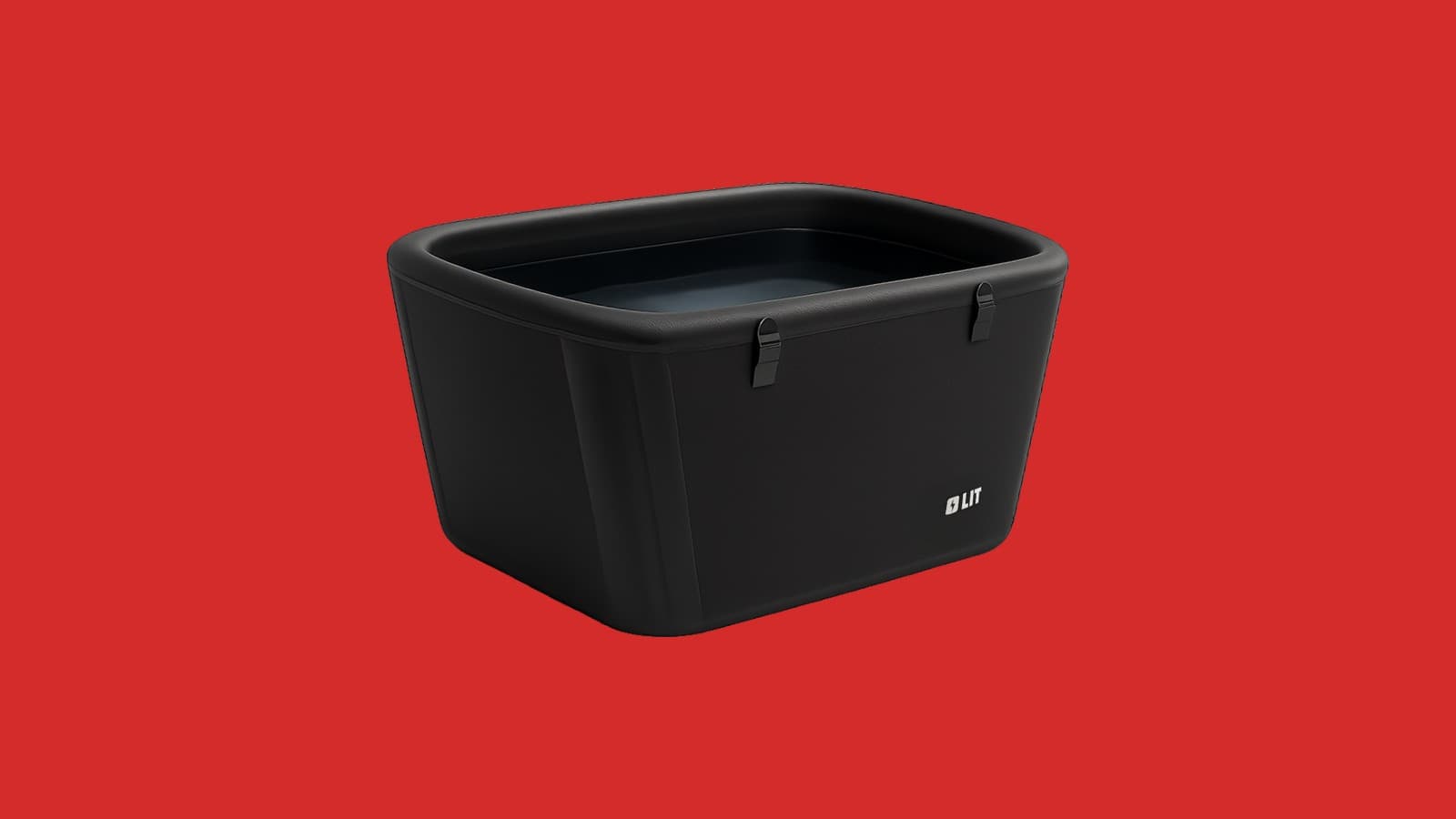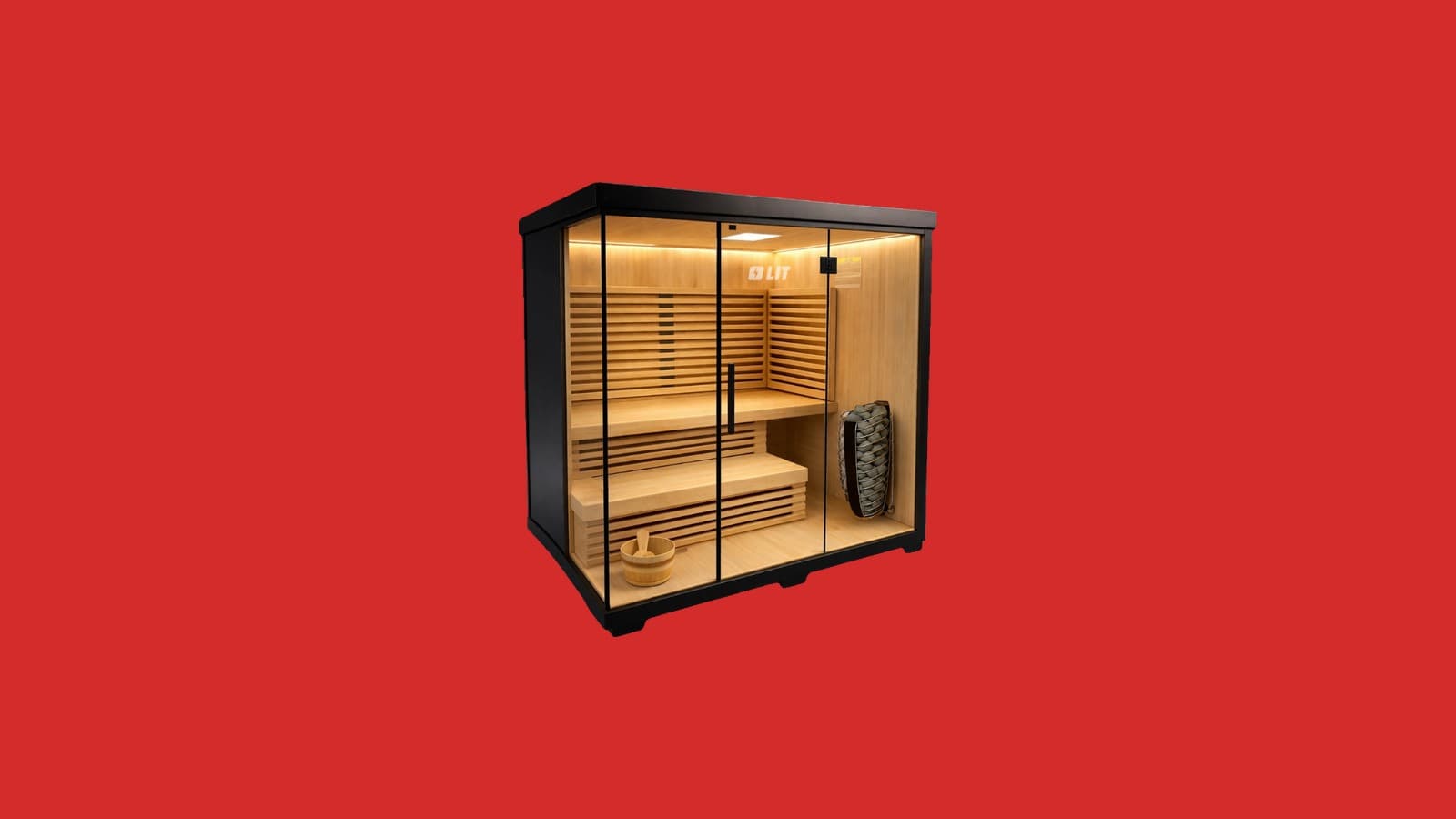
The short answer first, because you came here for it: the VA does not buy you a sauna or a cold plunge. I have not found a route, a form, or a program that does it, and anyone telling you otherwise is guessing.
The longer answer is more useful, because the VA covers a real list of recovery care that most veterans never use, and some of it addresses the same problems people buy a sauna for.
What the VA Actually Covers Under Whole Health
VA Whole Health includes a clinical care track called Complementary and Integrative Health. The services delivered under it include:
- Acupuncture
- Chiropractic care
- Massage therapy
- Aquatic therapy
- Integrative headache care at some facilities
VA facilities may provide these internally, on site, by telehealth, or out in the community through the Community Care Network. Availability varies by facility, which is the part that frustrates people: what your buddy in another state gets is not automatically what your VA offers.
One change worth knowing. As of October 1, 2025, VA updated its billing for Whole Health well-being services, and veterans in Priority Groups 6, 7 and 8 pay a $15 copayment for them. Clinical treatments like acupuncture continue under existing billing practices.
Start with your primary care team or your facility's Whole Health coordinator and ask what is offered locally. It is a phone call, and massage and chiropractic care alone are worth more than most of the gear on this site.
Why So Many Veterans Are Searching for This
Because the numbers are enormous. Of 5,846,453 VA service users in 2023, 2,091,391 met criteria for chronic pain — 35.8 percent — and 850,191 met criteria for PTSD, 14.5 percent. The two are highly comorbid and have traditionally been treated in separate clinics.
When you live with pain that does not resolve and sleep that does not restore, you start looking for anything that helps. That is the search behind "does the VA cover a sauna." I understand it. I also think you deserve a straight answer about what heat and cold do and do not do.
What the Evidence Supports
Sauna has the stronger evidence base, and it comes from long-running Finnish cohort research rather than from wellness marketing. In the Kuopio Ischemic Heart Disease Risk Factor Study, which followed 2,315 middle-aged men for roughly two decades, men using a sauna 4 to 7 times per week had a 63 percent lower risk of sudden cardiac death and a 50 percent lower risk of fatal cardiovascular disease than once-a-week users. A later study of 1,688 men and women followed for a median of 15 years found the same dose-dependent pattern.
Those are observational studies, not randomized trials, which means they show association and cannot prove that sauna caused the outcome. People who sauna four times a week may differ in other ways. It is still the most substantial body of evidence behind any of this equipment.
Cold water immersion has a narrower case. It reliably reduces perceived soreness, and many people report a strong mood lift afterward. The evidence for long-term health outcomes is thin compared to the sauna data.
On PTSD specifically, be careful with what you read. Interest in heat therapy for PTSD exists, but the research is early and the open questions are basic ones: optimal dosing, duration, frequency. A sauna is not a treatment for PTSD, and no honest source will tell you it is. If you are struggling, the VA's mental health care is the path, and it is a phone call away at 988, then press 1.
What It Costs If You Buy It Yourself
Since the VA is not buying, the real question is what an entry point costs. The honest answer is that you do not need a five-figure installation to start.
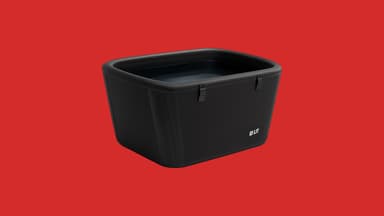
There is also a genuinely free version of both. A hot shower followed by a cold one, most days, costs nothing and builds the same habit. If you cannot hold that for a month, equipment will not fix it.
Safety, Said Plainly
Heat and cold are physiological stress. That is the point of them, and it is also the risk.
- Talk to your doctor first if you have cardiovascular disease, uncontrolled blood pressure, or take medication affecting heart rate or blood pressure.
- Never use alcohol with a sauna or a plunge.
- Never plunge alone. Cold shock response causes an involuntary gasp and rapid breathing in the first minute, which is dangerous in water.
- Hydrate, and get out when you feel unwell rather than finishing the clock.
What I Would Do First
In order, and this order matters:
- Call your VA facility and ask what Whole Health services are available locally. Acupuncture, chiropractic and massage are covered care. Use them before buying anything.
- Fix sleep. Nothing in a recovery room outperforms seven hours. Our sleep stack for tired dads is where I would start.
- Try the free version for a month: contrast showers, most days.
- Then buy the cheap equipment if the habit held.
- Then, and only then, consider the expensive installation.
Common Questions
Will the VA pay for a sauna or cold plunge?
No. There is no VA program that buys home sauna or cold plunge equipment. Whole Health covers clinical services like acupuncture, chiropractic, massage and aquatic therapy, not recovery hardware.
Does VA Whole Health cost anything?
As of October 1, 2025, veterans in Priority Groups 6, 7 and 8 pay a $15 copayment for Whole Health well-being services. Clinical treatments such as acupuncture follow existing billing practices.
Can a sauna help with PTSD?
There is early interest in heat therapy for PTSD, but the research is preliminary and the basic dosing questions are unanswered. It is not a treatment. VA mental health care is, and the Veterans Crisis Line is 988, then press 1.
What is the cheapest way to start heat and cold therapy?
Contrast showers, which are free. After that, portable equipment starts around $799 for either a foldable infrared pod or an inflatable plunge.
I am a Marine Corps veteran and a strength coach, not a physician, and nothing here is medical advice. Ask your care team before starting heat or cold therapy, especially if you have a heart condition.