The first hunt has one measure of success, and it is not an animal. It is whether the kid asks to go again. Everything below is organized around that.
I coach kids all day at Black Iron Athletics, and the pattern is the same everywhere: the ones who quit a thing early usually quit because the first exposure was uncomfortable in a way nobody fixed. Cold hands. Boredom. Sitting still with nothing to look at. All of that is solvable with gear and planning.
Pick the Sit Before You Pick the Gear
Three rules for a first sit:
- Go in the afternoon, not before dawn. An evening sit means no 4 a.m. wake up and no dark walk in, and it ends at dark instead of stretching on for hours.
- Pick warm weather over prime conditions. A mild October evening with nothing moving beats a great December morning that ends in tears.
- Plan for two hours. Tell them two hours. If they want to stay longer, that is the best outcome there is. Leaving while they still want to stay is how you get invited back.
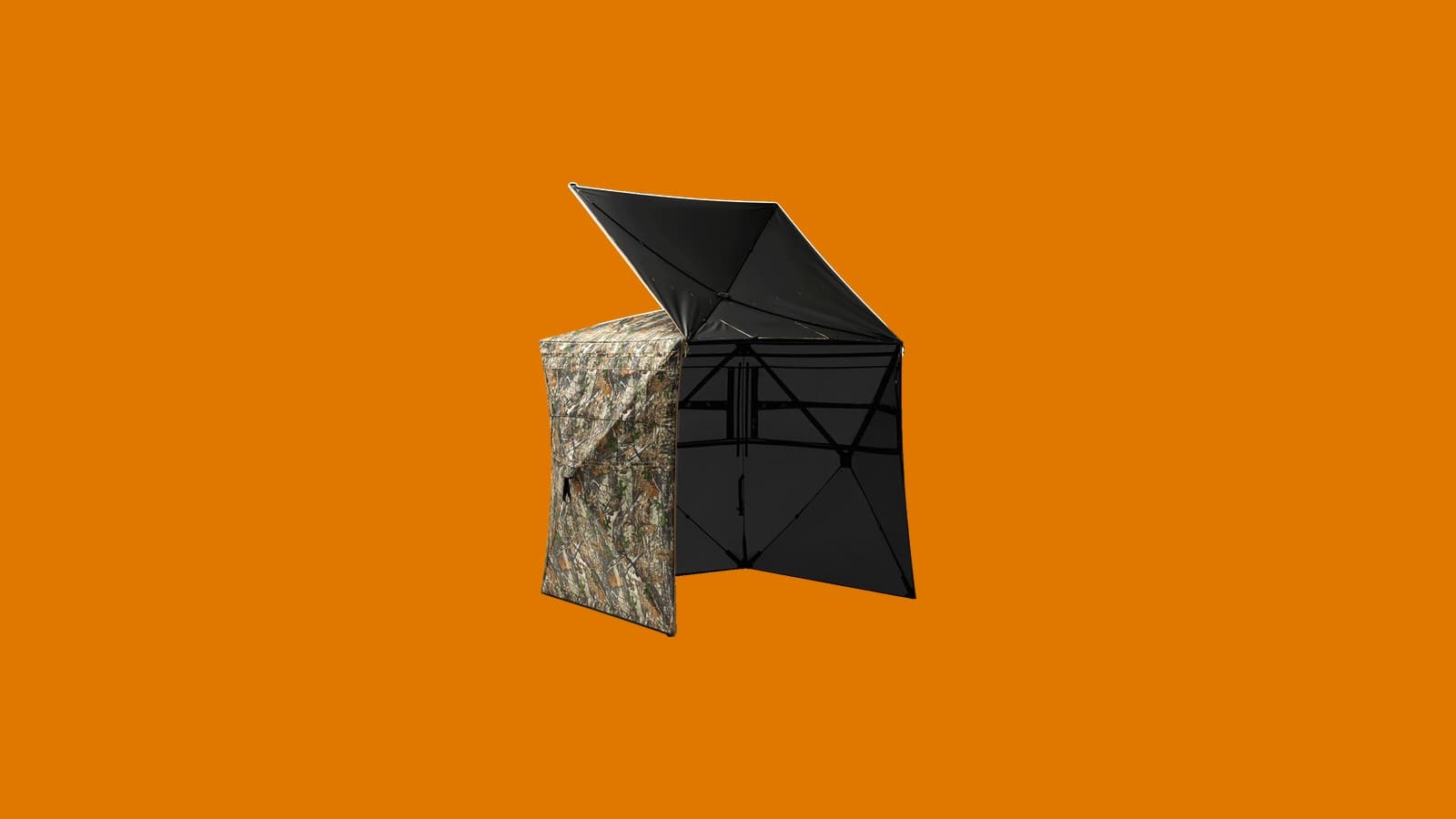
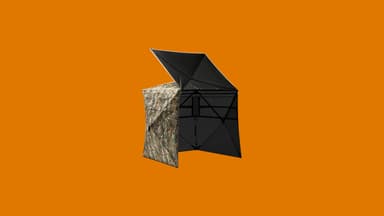
The Blind Is The Whole Game
A kid in a box with one small window sees nothing and gets bored in twenty minutes. A kid who can see the woods stays interested. This is the single biggest gear decision you make.

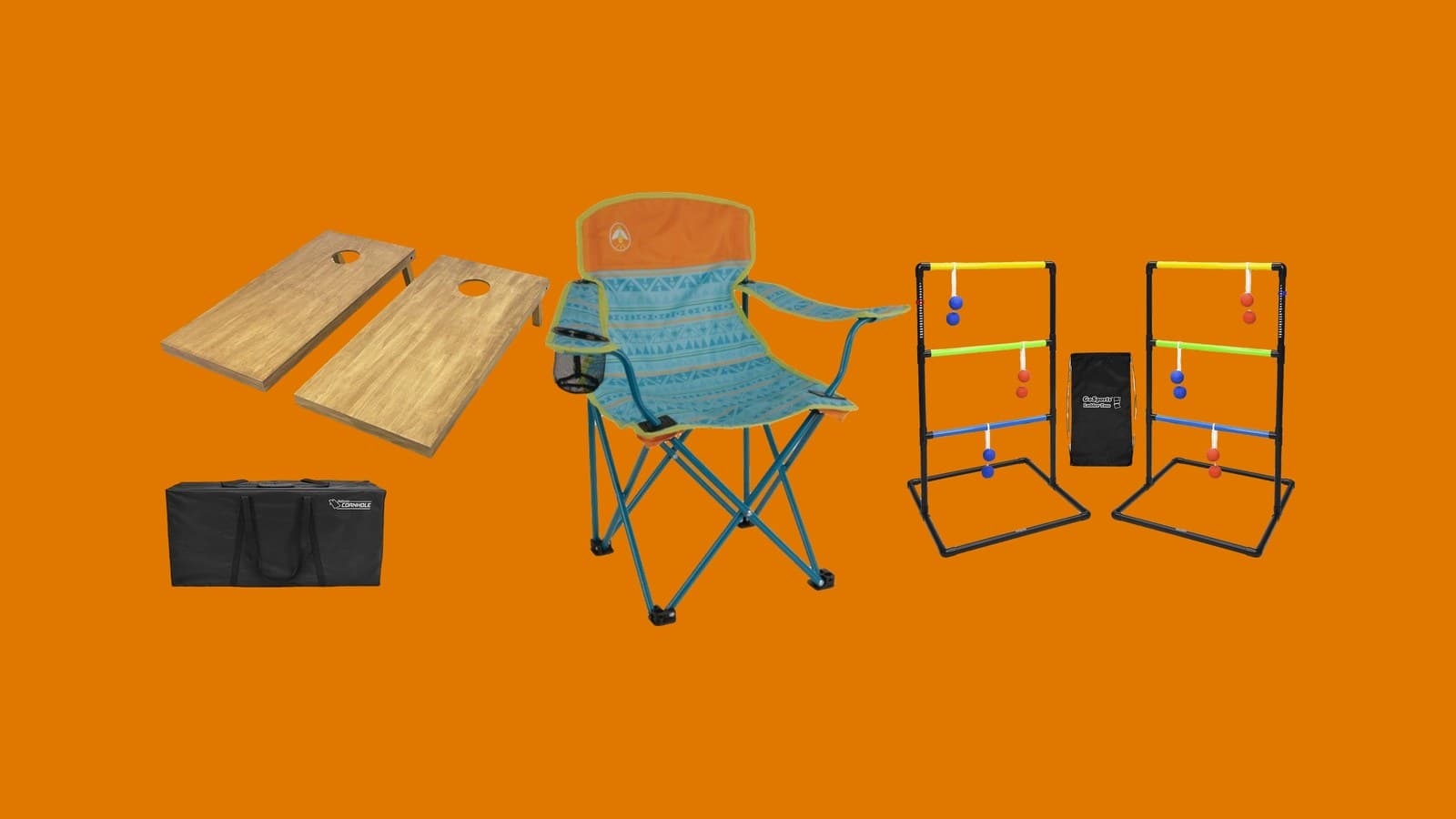
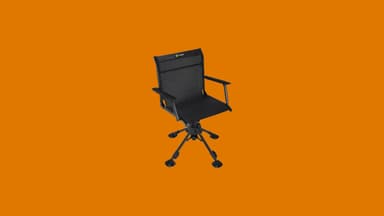
Seats: Yours Adjusts, Theirs Is Simple
Window height is the spec nobody checks. Blind windows sit 31 to 42 inches off the ground while a normal camp chair sits at 17. An adjustable seat fixes that for you. For a kid, buy low and simple: something they can climb into themselves and that will not tip when they swing their legs.
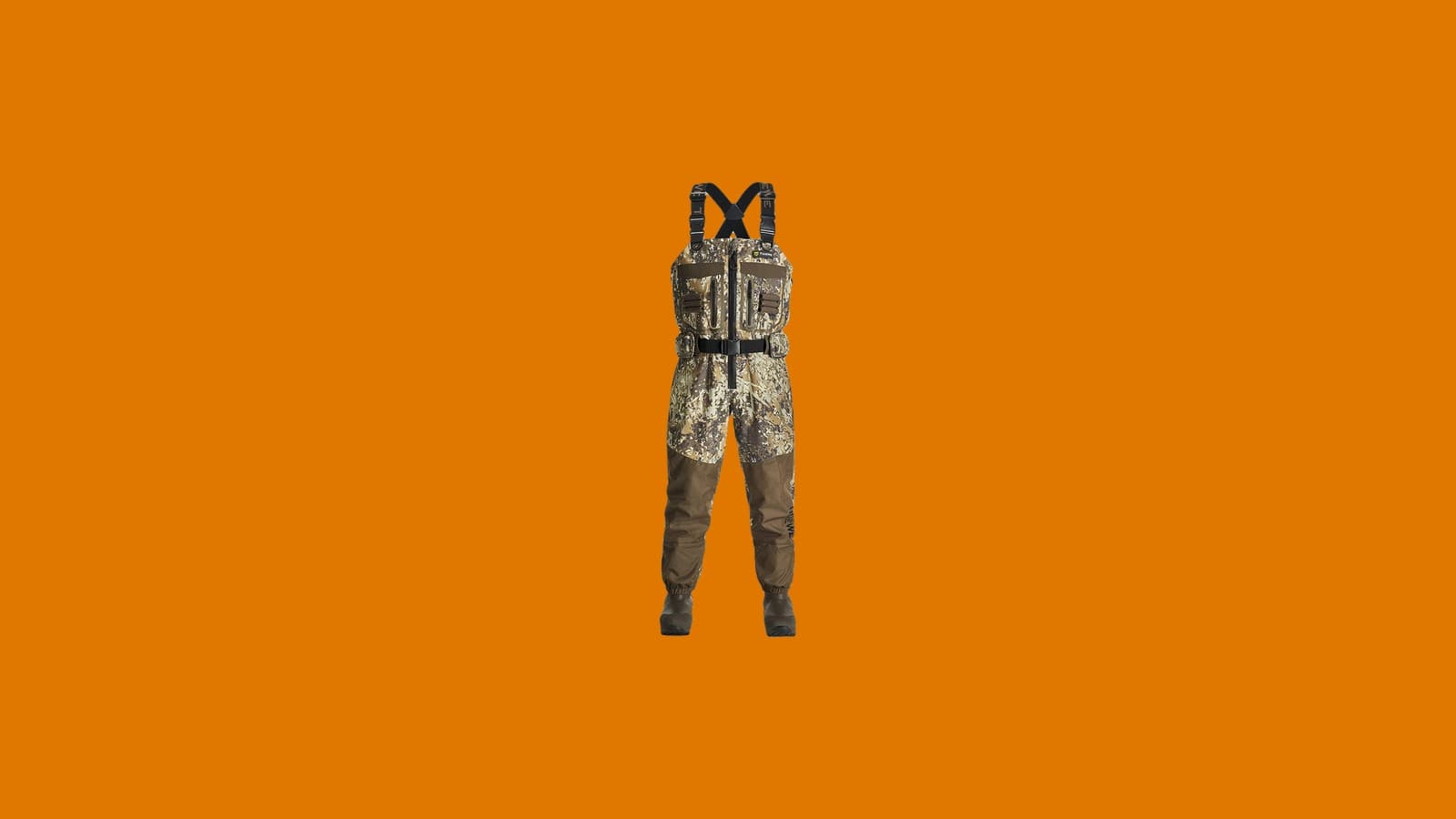
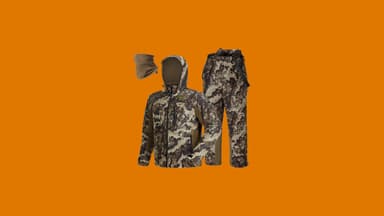
Clothing: Quiet, Layered, and One Size Up
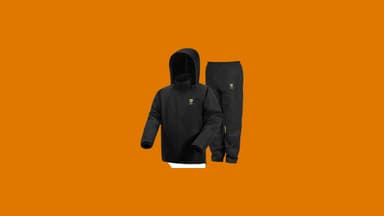
Two rules. Quiet fabric, because a kid who fidgets in a crinkly jacket makes noise for three hours. And layers, because kids run hot on the walk in and cold the second they stop.
The Kid Kit: Small Things That Decide The Day
- Hearing protection, fitted before you leave the house. Muffs sized for an adult sit crooked on a kid and get pushed off at the worst moment.
- Eye protection.
- Snacks, packed in advance, quiet packaging. A crinkly wrapper at the wrong moment is a lesson; going hungry is a fight.
- A headlamp that is theirs. Ownership of one piece of gear does more for a kid's investment in the day than anything you can say.
- Hand warmers. Cold hands end more first hunts than boredom.
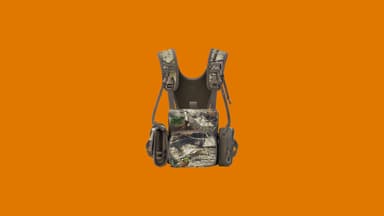
- Their own small pack to carry. Give them a job.
Ground Rules Worth Saying Out Loud
Say these in the truck, before you get out, every single time:
- Muzzle rules do not bend, ever. Whether or not they are carrying.
- We leave when you want to leave. Mean it. The one time you override it is the time they stop asking to come.
- Talking is allowed, at a whisper. A completely silent three hours is not a thing a seven year old can do, and pretending otherwise sets them up to fail.
- If we see nothing, the day still counted. Say it before the hunt, not after, so it does not sound like consolation.
The Part Nobody Puts In A Checklist
Take a picture of them in the blind. Let them tell the story at dinner without correcting the details. Put their gear somewhere they can see it during the week.
None of that is gear. All of it is why they ask to come back.
Common Questions
What age can a kid start hunting?
Legal minimums vary by state and by weapon, and most states run a youth season with a license requirement and hunter education. Sitting with you and not carrying can start years before any of that.
How long should a first hunt last?
Two hours. End it while they still want to stay.
What gear does a kid actually need for a first sit?
Warm quiet layers, hearing and eye protection, snacks, a headlamp of their own, and a seat they can get into themselves. The rest is yours.
Should I take a kid on a morning or evening hunt first?
Evening. No dark wake up, no long walk in the cold, and a clean end when it gets dark.