Waders are a piece of gear people buy once, buy wrong, and then quietly stop using. The wrong pair is too hot for the walk in, too cold for the sit, or too tall for the water you actually stand in.
Four decisions cover it.
Decision One: Neoprene or Breathable
This is the big one, and it comes down to whether you walk or sit.
Neoprene insulates by itself, takes abuse from brush and barbed wire, and costs less. It also does not breathe at all. Walk half a mile in neoprene and you arrive wet from the inside, then get cold sitting in your own sweat.
Breathable shells move moisture out while you walk and rely on boot insulation and your layers for warmth. They cost more and puncture easier.
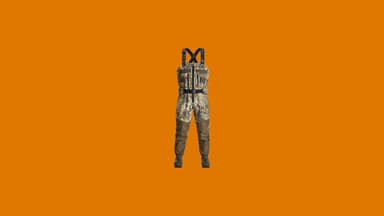
Decision Two: How Deep Are You Actually Standing
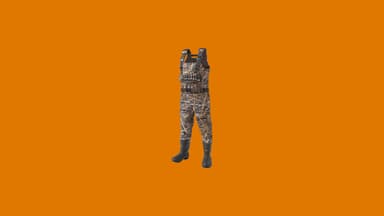
Be honest about the water. Chest waders are the default answer, and for a lot of family water time they are more gear than the job needs.
| Water depth | What you need |
|---|---|
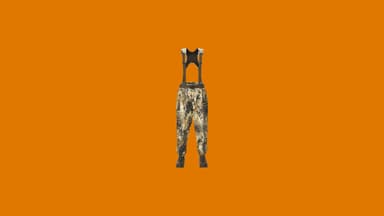
| Ankle to knee, creeks and shorelines | Waist high wading pants |
| Knee to thigh, shallow marsh | Waist high, walking carefully |
| Thigh and deeper, timber, big marsh | Chest waders, no debate |
Decision Three: Boot Insulation
Most people compare shells and ignore boots, then spend a season with cold feet. Boot insulation is measured in grams:
- 1000g: shallow water, moving around, milder weather. Also the right call for spring wading with kids.
- 1400g: cold water, sitting mostly still. The common waterfowl answer.
- 1600g: hard cold, standing in ice-edged water for hours without moving.
More is not better. Overinsulated boots on a warm walk make your feet sweat, and wet feet get cold faster than dry ones ever will.
Decision Four: What The Waterproof Numbers Mean
A hydrostatic rating in millimeters measures how much water pressure a fabric holds back before it wets through. 20,000mm is a genuinely high number for a wader, and it is worth noticing mostly because most wader listings publish no rating at all and just say waterproof.
When a page gives you no number, you are trusting a word. That is not a reason to walk away, but it is a reason to weigh sealed seams and construction detail more heavily, because those are the claims you can at least read.
Waders Are Fishing Gear Too
If you fish with your kids, waders are not a hunting-only purchase. Wading a river in spring, working a shoreline in summer, standing in a foot of water at a boat ramp: the same gear does all of it. That doubles the number of days a year they get used, which is the real argument for buying a decent pair.
One rule with kids in the water, and it does not bend: you walk the bottom first. Waist high gear protects you to just below the waist, and a hole you did not know about ends the day.
Common Questions
Are neoprene or breathable waders better?
Neoprene for sitting still in cold water and pushing through brush. Breathable for walking any distance, milder weather, and anyone who overheats.
How much boot insulation do I need for duck hunting?
1400g covers most cold water waterfowl hunting. Go to 1600g only if you stand in ice-edged water without moving; drop to 1000g for shallow water and walking.
Can I use hunting waders for fishing?
Yes, and it is the best reason to buy a good pair. A breathable wader or waist high wading pant crosses over directly. Heavy neoprene is usually too warm for fishing weather.
What size waders should I buy?
Bootfoot waders tie boot size to wader size, so fit the boot first and check the chest and inseam against the size chart. Plan for the layers you will wear underneath, not for a bare-legged fit.